
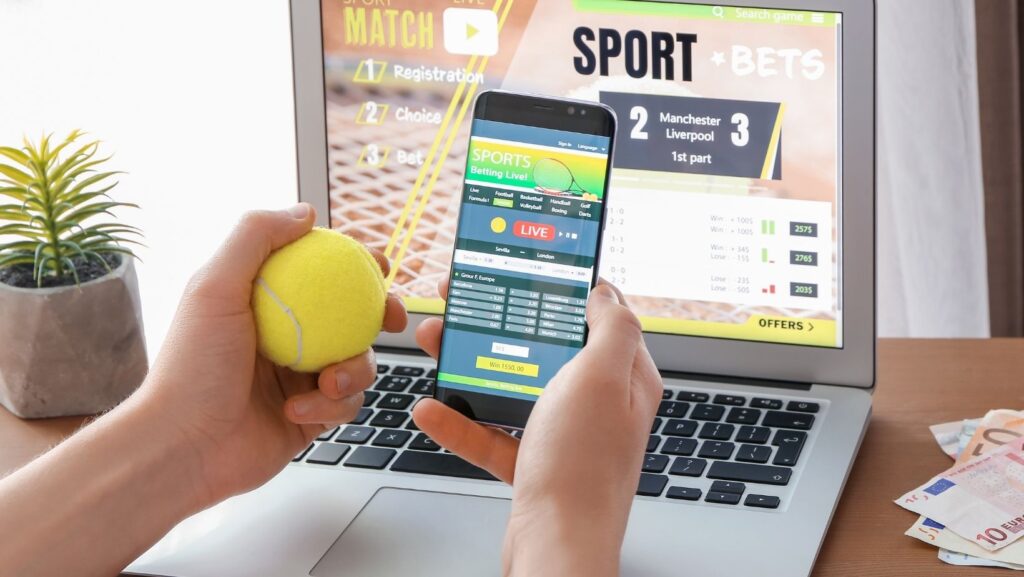
Virtual sports are more than just “video games.” They are complex simulations built with high-end graphics and smart AI. Data from 2026 audits reveals that North America now holds a 28.7% share of this market. This growth is driven by a new generation of players who love fast results. Whether it is virtual football, horse racing, or greyhounds, the math behind the screen is what matters. To succeed, you must move past the “visuals” and look at the “logic” of the simulation.
Technical Foundations of the Virtual Simulation Engine
A virtual match is not a movie; it is a math problem. In 2026, these games use a technical core called the Random Number Generator (RNG). This is a computer program that picks a winner based on thousands of possible outcomes every second.
Even though the graphics look like a real TV broadcast, the “result” is decided before the first whistle blows. The visual part of the game is just a way to show you what the computer picked. Furthermore, every game has a built-in RTP (Return to Player) percentage. In the current market, the standard RTP for virtual sports sits between 88% and 94%. This means that for every $100 bet over a long time, the game is designed to pay back around $92. Understanding that you are playing against an algorithm—not a real athlete—is the first step to a smart strategy.
Core Categories of Modern Virtual Sports Markets
As we move through the 2026 season, the variety of digital sports has grown. Operators like Daznbet have built different “types” of games to match the taste of every fan. Knowing the “Rules of the Game” for each type helps you manage your bankroll.
- Virtual Football: This is the king of the market. Matches last about 2 to 3 minutes, with a full season finishing in just one day.
- Virtual Horse Racing: This is the fastest way to bet. Races happen every 90 seconds, using AI to mimic the “form” of the horses.
- Simulated Reality Leagues (SRL): These are special. They use real-world data from the last three years to “simulate” how a real team like Real Madrid would play.
- Virtual Greyhounds: A classic choice for those who love “pacing.” These races focus on simple “Win” or “Place” markets.
Comparative Benchmarks for Virtual Sports Performance (2026 Data)
The following table highlights the current benchmarks for the most popular virtual games in the 2026 market. Use this data to see which games offer the best “Return” for your time.
| Sport Category | Average Match Time | Market Dominance | Typical RTP % | Volatility Level |
| Virtual Football | 120 – 180 Seconds | 45.2% | 90% – 93% | Medium |
| Virtual Horses | 60 – 90 Seconds | 22.1% | 88% – 91% | High |
| Simulated Tennis | 90 – 120 Seconds | 12.5% | 91% – 94% | Medium |
| Virtual Greyhounds | 45 – 60 Seconds | 10.8% | 89% – 92% | High |
Direct Impact of AI and Personalization in 2026
The year 2026 has been a turning point for “Personalized Betting.” New AI tools now watch how you play. If you like “Over 2.5 Goals,” the app will show you games that have high-scoring algorithms.
Use of AI-Powered Data Overlays
Top-tier sites now offer “Live Data” for their virtual games. Even though the game is fake, the “History” is real within that game’s universe. You can see the “Head-to-Head” record of two digital teams over the last 100 seasons. Statistics show that players who use these “Data Dashboards” stay in the game 30% longer than those who bet by “gut feeling.” This “Virtual History” gives you a way to find patterns in the RNG, even if the result is ultimately random.
Implementation of VR and 4K Immersion
One of the biggest wins in 2026 is the use of Virtual Reality (VR). You can now put on a headset and sit in a “Digital Stadium.” You can watch the virtual horses run past you in 4K resolution. This has made virtual sports feel more like “Entertainment” than just “Gambling.” However, the math remains the same. You must be careful not to let the beautiful graphics distract you from the “Unit System” of your bankroll.
Management of “Rapid-Fire” Betting Cycles
If you lose a bet on a real game, you have hours to think. In virtual sports, the next game is ready in 60 seconds. This can lead to a “Trance” where you bet too much too fast.
- The 5-Unit Rule: Never bet more than five units in a single hour of virtual play.
- Reality Checks: Most 2026 apps now force a “Reality Check” every 30 minutes. This screen tells you how much you have won or lost, helping you “Snap Out” of the fast cycle.
- Loss Limits: Set a hard “Stop-Loss” of 10% of your bankroll. If you hit that limit, the strategy says you must walk away for at least 24 hours.