
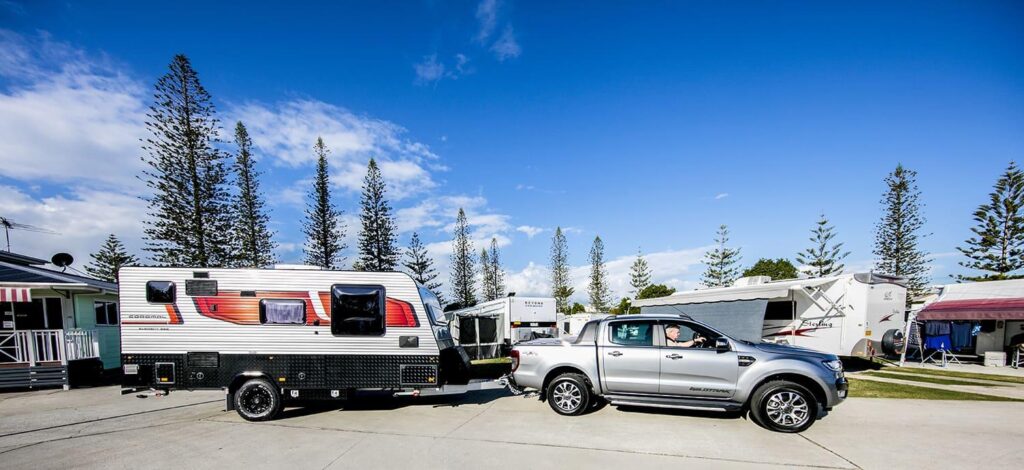
The global caravan industry has transformed from a niche segment of leisure travel into a major part of the international tourism and recreational mobility market. Caravans—along with motorhomes, campervans, and towable travel trailers—now serve a wide variety of users, including families, retirees, adventure travelers, and remote workers. This shift reflects broader changes in lifestyle preferences, where flexibility, independence, and experiential travel are increasingly valued over traditional, fixed-location holidays.
As the industry expands across continents, it is being shaped by economic conditions, technological innovation, infrastructure development, and evolving consumer expectations. While regional differences remain significant, the overall direction of growth is strongly upward, supported by both domestic tourism and long-term changes in how people live and work.
Overview of the industry
The caravan industry includes several interconnected sectors. At its core are vehicle manufacturers producing caravans and motorhomes, but the ecosystem also extends to rental services, campsite operations, financing and insurance providers, parts suppliers, and aftermarket customization businesses. Together, these components form a complex value chain that supports both ownership and rental-based usage models.
Caravans are typically divided into two major categories: towable units and self-propelled units. Towable caravans are designed to be pulled by another vehicle, while motorhomes combine transportation and accommodation in a single unit. Campervans occupy a middle ground, offering compact living spaces built on standard van platforms.
Demand patterns vary significantly by region. In some markets, caravanning is a traditional form of family holiday, while in others it is a growing trend linked to outdoor recreation and digital nomad lifestyles. Despite these differences, all regions share a common trend: increasing interest in flexible, self-directed travel.
Market structure and supply chain
The caravan industry relies on a multi-layered supply chain that includes raw material providers, component manufacturers, interior system developers, and final assemblers. Each stage plays a critical role in ensuring safety, durability, and comfort.
One of the most important foundational elements in production is the structural base of each vehicle. Caravan chassis manufacturers supply the essential underframe structures that determine load capacity, towing stability, and road performance. These components are engineered to meet strict safety standards and are often adapted for different caravan sizes, weight classes, and regional regulatory requirements. Without these foundational structures, the broader caravan manufacturing process would not be possible at scale.
Beyond structural components, the supply chain also includes electrical systems, insulation materials, water and waste systems, and interior fittings. The integration of these elements has become increasingly sophisticated as consumer expectations for comfort and functionality continue to rise.
Key drivers of global growth
Several key factors are driving expansion in the caravan industry.
First, there is a clear shift in consumer behavior toward experiential travel. Rather than focusing on fixed destinations, many travelers now prioritize the journey itself. Caravans support this approach by offering mobility, flexibility, and direct access to natural environments.
Second, remote and hybrid working arrangements have contributed significantly to demand. Mobile living spaces allow individuals to combine work and travel, creating a lifestyle that blends productivity with mobility. This has extended caravan usage beyond seasonal vacations into year-round living for some users.
Third, domestic tourism has become increasingly important. Economic uncertainty, changing travel regulations, and environmental considerations have encouraged more people to explore their own countries. Caravans provide an efficient way to travel domestically while maintaining independence from hotels or air travel.
Fourth, improvements in road infrastructure and campsite facilities have made caravan travel more accessible. Many regions have invested in designated parking areas, service stations, and connected campsites that provide water, electricity, and waste disposal services. These improvements have reduced barriers to entry for new users.
Regional market characteristics
The caravan industry shows distinct regional patterns shaped by geography, infrastructure, and cultural preferences.
In North America, long-distance travel is a defining feature of caravan use. Wide highways and extensive natural parks support large vehicles designed for extended journeys. Ownership rates are relatively high, and caravanning is often associated with retirement travel and seasonal migration.
In Europe, compactness and efficiency dominate design preferences. Narrow roads, higher fuel costs, and cross-border travel opportunities encourage smaller, more fuel-efficient caravans and campervans. Camping holidays are deeply embedded in cultural traditions, making caravanning a mainstream leisure activity.
In Asia-Pacific, the industry is still developing but growing rapidly. Rising disposable incomes, expanding highway networks, and increasing interest in domestic tourism are driving demand. The australian caravan industry as a strong one is increasingly recognized for its resilience and steady expansion, supported by long-distance travel culture and outdoor tourism habits. In this region, caravan chassis manufacturers play an especially important role in ensuring durability and safety across varied and often demanding road conditions.
Technological development and innovation
Innovation is playing a central role in reshaping the caravan industry. Manufacturers are increasingly focusing on lightweight construction techniques that improve fuel efficiency and towing performance. Advanced composite materials and modular design approaches are becoming more common.
Digital integration is another major trend. Modern caravans often include smart control systems that manage lighting, heating, ventilation, and energy consumption. Mobile applications allow users to monitor vehicle systems remotely and optimize power usage during off-grid travel.
Energy independence is also a key area of development. Solar power systems, high-capacity batteries, and energy-efficient appliances enable longer periods of travel without reliance on external infrastructure. Water recycling and waste management systems further support self-sufficient travel.
Electric propulsion and alternative energy sources are also being explored as part of long-term sustainability goals. While still in early stages for many markets, these technologies are expected to become increasingly important in the coming years.
Changing consumer behavior
Modern caravan users are more diverse than in the past. While traditional users still represent a significant portion of the market, younger consumers are increasingly entering the space. These new users often seek adventure-oriented experiences, digital connectivity, and flexible travel arrangements.
Social media and online communities have also influenced demand by showcasing caravan lifestyles and travel experiences. This visibility has contributed to the perception of caravanning as not only practical but also aspirational.
Rental models have expanded access to the market. Instead of purchasing a vehicle, many users now choose short-term rentals, allowing them to experience caravan travel without long-term commitment. This has lowered entry barriers and expanded the customer base.
Challenges facing the industry
Despite strong growth, the caravan industry faces several challenges. Rising production costs, particularly for materials and components, have increased retail prices. This can limit accessibility for younger or first-time buyers.
Environmental concerns are also becoming more prominent. As governments introduce stricter emissions regulations, manufacturers and suppliers must adapt to cleaner technologies and more sustainable production methods.
Infrastructure limitations remain an issue in some regions. Without sufficient campsites, service stations, and maintenance facilities, caravan travel can be less convenient or accessible.
Supply chain complexity can also create vulnerabilities. Because caravans depend on many specialized components, disruptions in one part of the supply chain can delay production and increase costs.
Future outlook
The future of the caravan industry is closely tied to broader global trends in mobility, sustainability, and digital living. Demand is expected to continue growing as more people seek flexible travel and alternative living arrangements.
Technological advancements will likely play a major role in shaping the next generation of caravans. Smarter energy systems, improved automation, and enhanced connectivity will make vehicles more efficient and easier to use. At the same time, sustainability pressures will encourage the adoption of cleaner materials and low-emission technologies.
New ownership models, including shared usage and subscription-based access, may further expand the market. These approaches make caravanning more accessible while reducing the financial burden of full ownership.
Conclusion
The global caravan industry is evolving into a dynamic and diversified sector that reflects broader changes in travel, work, and lifestyle. Supported by technological innovation, infrastructure development, and shifting consumer preferences, it continues to expand across all major regions. While challenges such as cost pressures and environmental concerns remain, the long-term outlook is strong. Caravans are increasingly seen not just as vehicles for travel, but as flexible living spaces that support a more mobile and adaptive way of life.